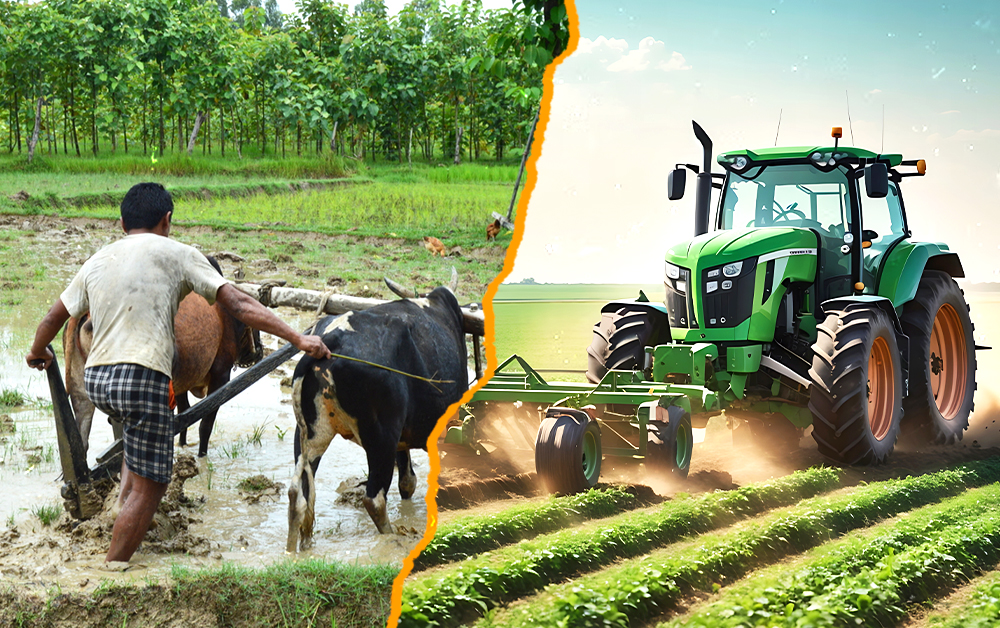
In Nepal, where agriculture plays a vital role in the economy yet for generations, farmers have faced a challenging reality: selling their hard-earned produce at a fair price. Traditional methods, reliant on middlemen, often left them with meager profits. However, a digital revolution is underway, transforming the agricultural landscape and empowering farmers like never before.
E-commerce platforms are emerging as a lifeline for Nepal's farming community. By cutting out the middleman, these platforms create a direct connection between farmers and consumers. This means farmers can command better prices for their products, reinvesting profits back into their farms and improving their livelihoods. Moreover, e-commerce expands market reach beyond local boundaries, allowing farmers to tap into a wider customer base and increase their sales.
It's a win-win situation. Consumers benefit from fresher, higher-quality produce, often at competitive prices. And farmers gain financial independence and stability. As e-commerce continues to grow, it holds the promise of a brighter future for Nepal's agricultural sector, where farmers can thrive and contribute meaningfully to the nation's economy.
Eliminating Middlemen and Increasing Profits
Nepali farmers have long faced the challenge of low earnings due to the presence of middlemen who take a substantial portion of their profits. However, a new dawn is breaking with the rise of online marketplaces. By bypassing these intermediaries, farmers can now sell their produce directly to consumers, giving them greater control over their income and fostering a more equitable agricultural ecosystem.
This direct-to-consumer model empowers farmers to set their own prices, reflecting the true value of their hard work. Moreover, it eliminates the risk of price manipulation and ensures that a larger share of the revenue reaches the producer. A prime example is a vegetable farmer in Kavre who can now offer their fresh produce to Kathmandu residents through platforms like Sabji Bazar. This direct connection not only boosts the farmer's income but also guarantees product freshness and transparency in the supply chain, ultimately benefiting both farmers and consumers
By shortening the supply chain, this approach also helps reduce food wastage, as farmers can better anticipate consumer demand and adjust their production accordingly. In essence, the direct-to-consumer model is a win-win situation, revitalizing rural economies and ensuring that the fruits of farmers' labor are justly rewarded.
Expanding Market Reach and Accessibility
E-commerce platforms are revolutionizing the way Nepali farmers do business, offering a lifeline to expand beyond the limitations of local markets. By harnessing the power of online marketplaces, these farmers can now reach consumers across the entire nation, regardless of geographic distance. For instance, a dairy farmer nestled in the serene landscapes of Pokhara can now effortlessly deliver the richness of their fresh milk and artisanal cheese to the bustling city of Biratnagar, thanks to platforms like Milk Mandu. This unprecedented access to a wider customer base translates to increased sales volumes and, consequently, a substantial boost in overall revenue.
Essentially, e-commerce is acting as a catalyst, empowering Nepali farmers to tap into the vast potential of the national market and enjoy the rewards of a more extensive customer base. It's a win-win situation where farmers can thrive and consumers have access to a wider variety of fresh, locally produced goods.
Convenience and Flexibility for Consumers
Online marketplaces have revolutionized the shopping experience for Nepali consumers, offering unparalleled convenience and efficiency. By providing a virtual platform to explore and purchase a diverse range of farm-fresh products, these marketplaces eliminate the need for time-consuming trips to multiple physical markets. This is a game-changer, especially for busy professionals living in urban areas like Kathmandu. Imagine being able to effortlessly order organic vegetables, succulent fruits, and fresh dairy products from the comfort of your home, with the assurance of delivery right to your doorstep. This transformative shopping experience empowers consumers to easily access high-quality, locally sourced products, all while saving valuable time and energy
In essence, online marketplaces have bridged the gap between consumers and local producers, creating a seamless and enjoyable shopping journey that prioritizes both convenience and sustainability.